chevron_left
-
 play_arrow
Pro Radio Demo Top Music Radio
-
 play_arrow
London Calling Podcast Yana Bolder

Bobby Darin
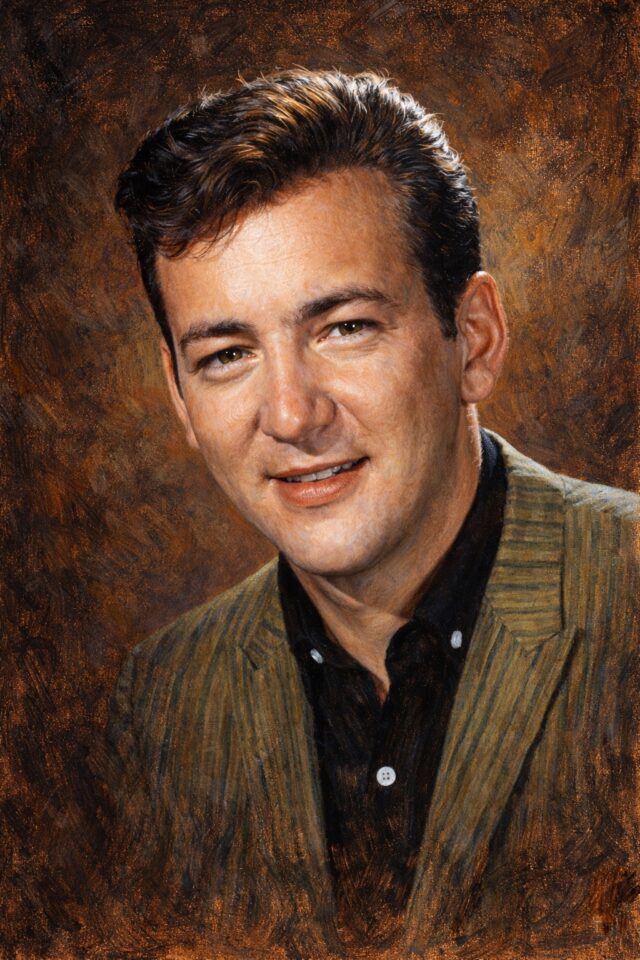
Singer, Songwriter, Actor
Entertainement
Bobby Darin was an American singer, songwriter, actor, and entrepreneur whose career moved rapidly across rock and roll, pop, jazz, folk oriented songwriting, film, and political activism. Born in the Bronx in 1936 as Walden Robert Cassotto, Darin overcame severe childhood illness caused by rheumatic fever and developed an intense drive for achievement shaped by the knowledge that life might be short. Britannica describes Darin as a performer whose quest for success across several genres made Darin ubiquitous in late 1950s and 1960s popular entertainment. Darin first broke through with “Splish Splash,” then reached a higher level of fame with “Dream Lover,” “Mack the Knife,” and “Beyond the Sea.” GRAMMY.com records that Darin won the first Best New Artist Grammy and also took Record of the Year for “Mack the Knife,” making Darin one of the central early figures in Grammy history. Darin’s official site and Songwriters Hall of Fame materials further show how Darin expanded into composing, producing, film acting, and later politically engaged folk oriented work. Public importance lies in versatility. Darin was not simply a teen idol or nightclub singer. Darin moved from novelty rock to swing revival, from Hollywood to topical material, and from entertainment success to direct participation in Robert F. Kennedy’s 1968 campaign. Darin’s short life ended in 1973, but Darin remains one of the clearest examples of rapid reinvention in postwar American entertainment.
“Mack the knife, dear, has such teeth.”
Walden Robert Cassotto
Bobby Darin
May 14, 1936
Died December 20, 1973
Bobby Darin was American and came from an Italian American family background. Darin’s Bronx upbringing and ethnic working class environment formed part of the urban postwar world from which many popular entertainers emerged. Born in the Bronx, New York City. Bobby Darin had a precocious intelligence and early musical ambition more than formal higher degrees. Darin’s practical education came through music, performance, songwriting, and the Brill Building style pop world rather than extended university study. Bobby Darin was active principally from the mid 1950s until death in 1973, with the most commercially dominant period from 1958 through the mid 1960s.
Darin married actress Sandra Dee in 1960 after the two met during the filming of Come September. The marriage produced one son, Dodd Mitchell Darin. Public records also note Darin’s later marriage to Andrea Joy Yeager in 1973. Official biographical material further records the long family secret regarding Darin’s parentage, one of the most discussed personal revelations in Darin’s life story. The Bronx was Darin’s origin point, but career geography later included New York’s recording and nightclub worlds, Hollywood film production, Las Vegas performance culture, and Los Angeles, where Darin died following heart surgery complications. Darin’s strongest documented personal pursuits were ceaseless career reinvention, songwriting, acting, and political engagement. Songwriters Hall of Fame records Darin’s active role in Robert F. Kennedy’s presidential campaign, and official fan based Darin sources note support for the American Heart Association, a cause shaped by Darin’s own cardiac history.
Bobby Darin is most famous for “Mack the Knife,” the recording that won Record of the Year and placed Darin at the center of American popular music at the turn of the 1960s. GRAMMY.com specifically identifies Darin as the first Best New Artist winner and confirms the Record of the Year victory for “Mack the Knife.” Darin’s version transformed a song from The Threepenny Opera into a mass market pop and jazz smash, proving Darin could move beyond youth novelty records into sophisticated adult pop. Darin is also remembered for “Splish Splash,” “Dream Lover,” and “Beyond the Sea,” each of which displayed a different commercial persona. “Splish Splash” established Darin as a hitmaker in the rock and roll field, “Dream Lover” strengthened Darin’s position as a romantic pop singer and songwriter, and “Beyond the Sea” made Darin a leading interpreter of swing styled pop in the nightclub era. The range of these records explains why Darin’s public image has remained unusually broad. Recognition was substantial and multi field. Darin won two Grammys, later received a posthumous Grammy Lifetime Achievement Award, entered the Rock & Roll Hall of Fame in 1990, joined the Songwriters Hall of Fame in 1999, and received an Academy Award nomination for Captain Newman, M.D. These distinctions show that Darin’s importance extended across recording, composition, and screen performance.
Darin served as singer songwriter in the Brill Building era and quickly became one of the period’s most adaptable recording artists. That role mattered because Darin was not confined to a single youth market identity. Darin wrote, recorded, and strategically repositioned across genres as the industry changed. As nightclub and crossover entertainer, Darin occupied a place shared by only a few peers. Darin could perform rock and roll material for youth audiences, then move into sophisticated arrangements suited to supper clubs, television, and adult pop. That flexibility helped make Darin a pervasive presence in late 1950s and early 1960s entertainment. Darin also worked as actor and film composer. Songwriters Hall of Fame notes that Darin composed score and theme music for several films in which Darin also appeared. This cross disciplinary work reveals Darin as a full entertainment industry professional rather than merely a recording star.
“Splish Splash”
“Splish Splash,” released in 1958, was Darin’s first major hit and helped launch the public career. The record mattered because it gave Darin immediate youth market visibility and established Darin as a commercially viable writer performer during the rock and roll boom. “Dream Lover”
“Dream Lover” broadened Darin’s image beyond novelty rock. The song became one of Darin’s signature hits and reinforced Darin’s ability to write and perform material with strong romantic appeal. Its success helped open the path toward Darin’s later adult pop and swing styled repertoire. “Mack the Knife”
This is Darin’s central recording achievement. GRAMMY.com states that the performance won Record of the Year, while Darin also received Best New Artist. The record mattered because Darin converted a song with theatrical and European cabaret origins into a major American pop hit, proving exceptional stylistic command and commercial intelligence. “Beyond the Sea”
“Beyond the Sea” became one of Darin’s most enduring interpretations and helped secure Darin’s reputation as a polished vocalist capable of handling sophisticated orchestrated pop. The song’s afterlife in film and popular memory has kept Darin’s name in circulation long after the original chart era. Film acting and Captain Newman, M.D.
Darin’s acting career reached its highest prestige point with the Academy Award nomination for Best Supporting Actor in Captain Newman, M.D. Official Darin sources highlight the nomination as one of the major markers of Darin’s range. The milestone matters because it confirmed that Darin was a credible dramatic screen presence, not a singer merely placed in movies for publicity. Songwriters Hall of Fame recognition and later political turn
Darin’s Songwriters Hall of Fame profile notes composition work across film music and records Darin’s active involvement in Robert F. Kennedy’s campaign. This later phase matters because it reveals Darin’s movement away from purely commercial stardom toward civic seriousness and political identification in the late 1960s.
Bobby Darin won two Grammy Awards and received five Grammy nominations according to GRAMMY.com. Darin’s two wins carry unusual prestige because one was Best New Artist and the other was Record of the Year. Darin entered the Rock & Roll Hall of Fame in 1990 and the Songwriters Hall of Fame in 1999. Those paired honors are significant because they recognize Darin as both performer and composer. Darin received an Academy Award nomination for Captain Newman, M.D. The nomination demonstrates that Darin’s film work commanded respect beyond musical celebrity. Darin’s official biographical material repeatedly emphasizes the role of childhood rheumatic fever in shaping Darin’s urgency and ambition. The medical reality of damaged heart valves is central to understanding both Darin’s relentless pace and the early death at 37.
Bobby Darin’s legacy lies in reinvention. Darin refused stable categorization and demonstrated that a single postwar American entertainer could credibly move across teen rock, swing, standards, folk tinged material, film, and political culture. That range made Darin an emblem of midcentury entertainment mobility. Darin also left a lasting model of ambition shaped by mortality. The short life produced hit records, awards, film acclaim, and institutional honors that many longer careers never achieve. Darin’s body of work remains important precisely because it captures several distinct eras of American popular entertainment inside one compressed, high intensity career.
https://www.bobbydarin.com
More Information
Team LMio Foundation Compendium for Bobby Darin